
Oral hygiene
How to use
Recommended products
To help you put this advice into practice, we select relevant products on Amazon, focusing on the best possible value for money. A targeted selection to save you time and make your choice easier.
These links are part of our affiliate partnership with Amazon: if you purchase something through them, we may earn a commission.
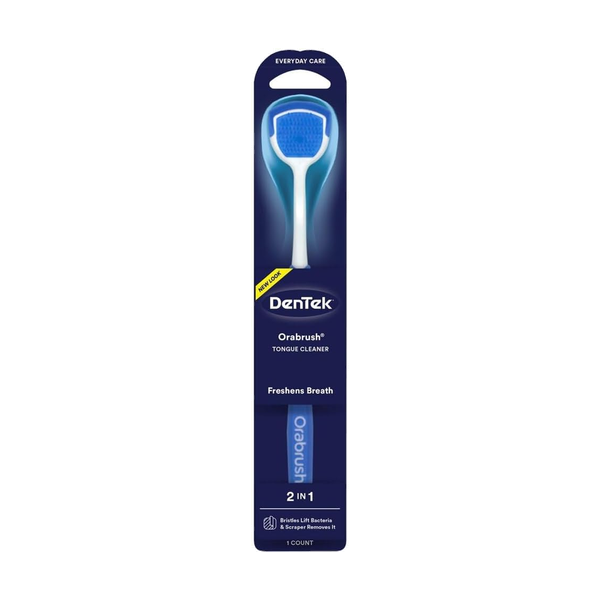
Tongue cleaner ×1 — DenTek Orabrush
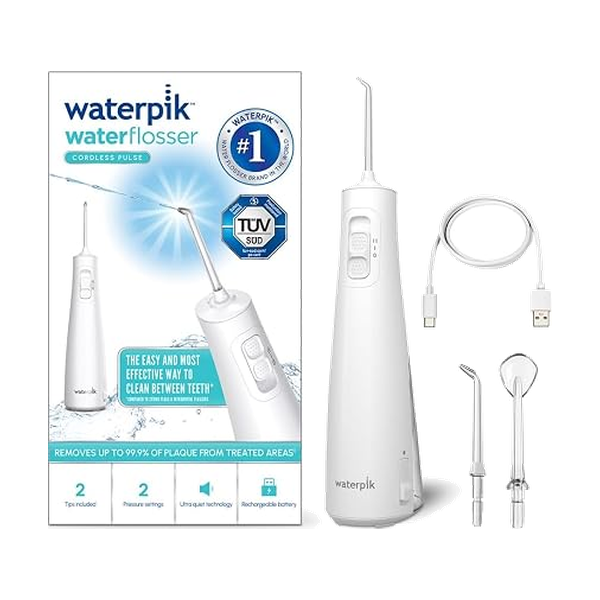
Cordless flosser Pulse — Waterpik
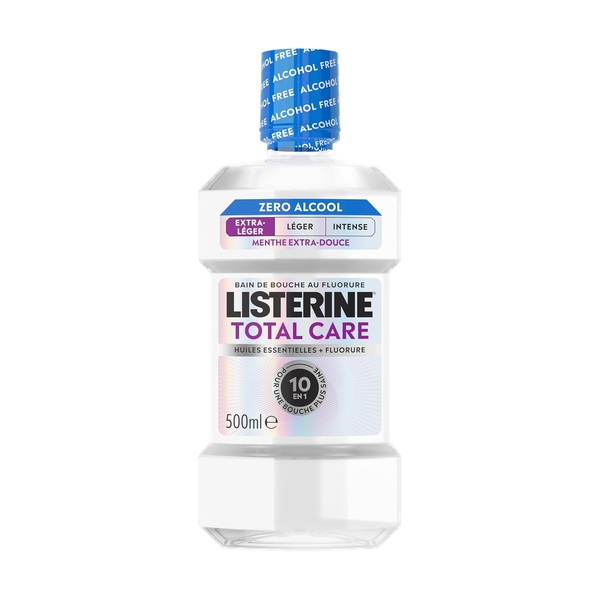
Mouthwash 500 ml — Listerine
Keep Brushing as a Base
Brush your teeth twice a day for about two minutes with fluoridated toothpaste, and clean the spaces between the teeth every day with the appropriate tool. Brushes are suitable for spaces that allow them to pass without forcing; thread can be helpful when they are tight. The dentist can help you choose. A tongue scraper and mouthwash do not compensate for plaque that remains on the teeth.
After using toothpaste, spit out the excess without immediately rinsing with plenty of water, in order to leave the fluoride in contact with the teeth. To simplify the sequence, you can clean your tongue before brushing and rinse the tool at that time. If your gums bleed regularly, do not try to solve the problem by pressing harder: have the technique and the condition of the gums checked.
Clean the tongue without stripping it
Stick your tongue out and place the cleaner on the part you comfortably reach, then bring it forward. Rinse it between passes and stop before causing pain, irritation or bleeding. A few gestures are enough; no need to try to reach the bottom of the throat. If the gag reflex appears, work less far rather than forcing yourself to support the tool.
The Orabrush presented here combines small, flexible strands with a scraping edge. The manufacturer recommends moistening the tool, brushing the tongue and then removing the deposits forward with the intended edge. Rinse it with lukewarm water and let it air dry. Keep it personal and replace it if it is damaged. This type of accessory makes the procedure easier, without alone guaranteeing the disappearance of bad breath.
Choosing a mouthwash for a specific reason
A mouthwash is not obligatory in a healthy mouth. Some formulas target plaque or gums, others prevent cavities or control odor. Fluoride, zinc and antiseptics do not have the same role: choose with the dentist or pharmacist according to your needs. A strong minty sensation does not measure the effectiveness or cleanliness obtained.
The Listerine Total Care Extra Gentle shown is an alcohol-free option; the Extra Mild formula described by the brand contains fluorine and zinc in particular. There remains an optional addition. Check the ingredients and directions for use on the delivered bottle, as commercial variants may differ. Respect the quantity, duration and age indicated, spit out the product and do not swallow it.
Place it at the right time
Use mouthwash at a time other than right after brushing, such as in the middle of the day. This avoids rinsing out the more concentrated fluoride left by toothpaste. For a fluoridated bath, the NHS then recommends waiting thirty minutes before drinking or eating. However, follow the specific instructions if a professional prescribes treatment for a specific situation.
Chlorhexidine deserves this distinction: it can be useful for a defined period of time, but is not a daily reflex to be prolonged indefinitely. It can stain teeth or change the taste, and its effectiveness may be disrupted by some toothpastes. Respect the recommended duration and interval of use. If you experience persistent burning or irritation with mouthwash, stop using it and seek advice.
Leave the tonsils alone
Small white or yellowish deposits in the hollows of the tonsils can correspond to caseum, sometimes hardened into stones. They do not require handling if they do not interfere. Gentle gargling with salt water can help in some cases; then spit it out. Avoid objects, pressure with fingers and jets directed into the crypts: these tissues are easily injured.
If the deposits are frequent, painful, large or associated with persistent discomfort, seek medical or ENT advice. Don't assume that any white spot is plaque, especially if you have a fever or significant pain. Difficulty swallowing saliva, breathing or marked swelling requires a rapid assessment, rather than an attempt at cleaning at home.
Taking drought and evolution into account
Drink regularly as needed and, if convenient, chew sugar-free gum to stimulate saliva. Avoid continually masking a dry mouth with highly scented products. Certain medications can reduce salivation: report this symptom to your doctor without stopping treatment alone. Removable prostheses also require appropriate cleaning, distinct from that of natural teeth.
If your breath remains bothersome after a few weeks, make an appointment with the dentist. A cavity, tartar or gum disease does not disappear with more mouthwash. A plaque on the tongue that persists, ulceration or pain should also be examined. The right benchmark is the improvement in comfort and health of the mouth, not the scent that remains after rinsing.
Sources
- How to keep your teeth clean (new tab)
- Dental Floss / Interdental Cleaners (new tab)
- Bad breath (new tab)
- Orabrush® Tongue Scraper (new tab)
- Mouthrinse (Mouthwash) (new tab)
- LISTERINE® TOTAL CARE EXTRA MILD | LISTERINE®: Für die umfassende Mundpflege | LISTERINE® (new tab)
- How and when to use chlorhexidine (new tab)
- Tonsil Stones (Tonsilloliths) - My Condition - MyHealth Devon (new tab)
- Bouche sèche : que faire quand la salive manque ? (new tab)
Articles that may interest you
 Grooming

 GroomingGroomingGrooming
About this content
The contents do not claim any medical or paramedical qualifications and are not systematically reviewed by a healthcare professional.
The site shares general information and practical tips. It does not make a diagnosis, does not prescribe any treatment and does not replace advice adapted to your situation.