
Toothbrushing
How to use
Recommended products
To help you put this advice into practice, we select relevant products on Amazon, focusing on the best possible value for money. A targeted selection to save you time and make your choice easier.
These links are part of our affiliate partnership with Amazon: if you purchase something through them, we may earn a commission.
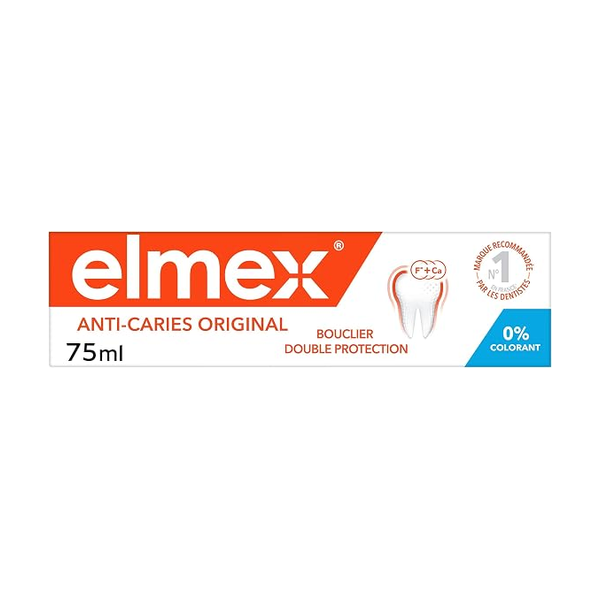
Toothpaste 75 ml — Elmex
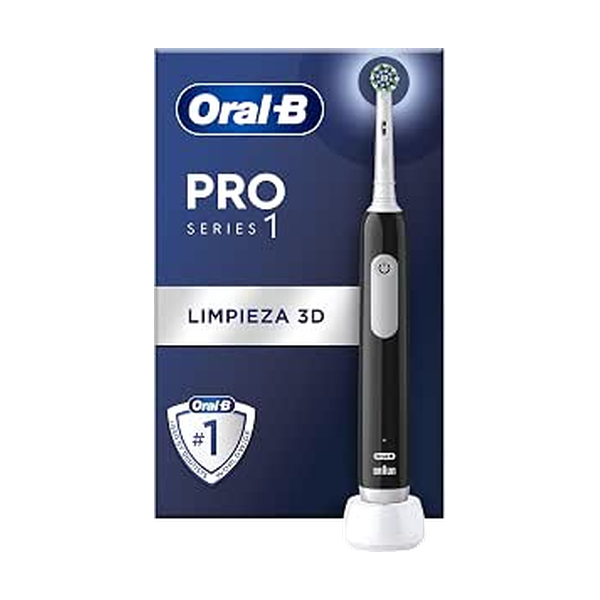
Electric toothbrush Pro 1 — Oral-B
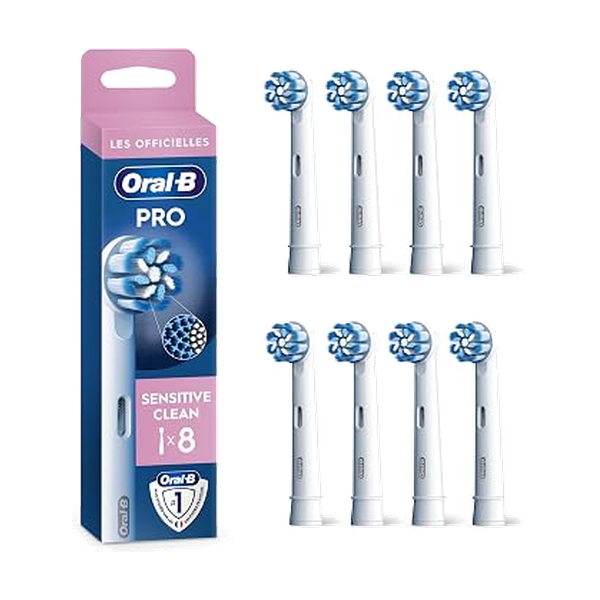
Brush heads Sensitive ×8 — Oral-B
Choose a handy brush and soft bristles
A small head that easily reaches the molars and soft strands are a good starting point. The electric brush can make the procedure easier and on average improves the control of plaque and gingivitis compared to the manual one. A well-used manual, however, remains a valid option. No need to delay a good routine while waiting to buy a high-end model.
If you choose an electric one, focus on ease of handling, the cost of replacement heads and a timer. A pressure indicator can also help if you press too much. Multiple modes, screens and applications are not essential. The model offered here is an Oral-B Pro 1; the associated Sensitive Clean are replacement heads compatible with classic rotary handles, but not with the iO or Pulsonic ranges.
Take a fluoridated toothpaste appropriate for your age
For this adult routine, look for a concentration close to 1,450 to 1,500 ppm of fluoride on the tube. The statement indicates the amount of fluoride, not a general quality rating. A small amount of toothpaste is enough to distribute it on the teeth; there is no need to fill the entire brush head. Follow the product directions and spit it out rather than swallowing it.
The already recommended Elmex Anti-Caries Blancheur Douce toothpaste is retained. Its whiteness mention concerns surface colorings, not a transformation of the deep color of the teeth. Check the fluorine concentration of the reference received, because the ranges are changing. In the event of sensitivity or high caries risk, your dentist can offer a targeted formula; Highly dosed toothpastes are not used randomly.
With a manual brush: cover the mouth methodically
Place the strands in contact with the teeth and the edge of the gum, slightly inclined towards it, then make small movements. Avoid strong back and forth movements. Always follow the same route: exterior faces, interior faces, then chewing surfaces. Behind the incisors, holding the brush more vertically can facilitate access without having to force.
Spread the two minutes between the four areas of the mouth rather than spending most of the time on the front teeth. Think about the backs of the last molars and the sides facing the tongue. Duration is a useful benchmark, but it does not correct oversights: the goal remains to pass the strands wherever they can clean.
With an electric brush: guide rather than rub
For a round oscillating head, rest the strands against one tooth and slowly guide the head from one surface to the other, then to the next tooth. The motor provides the movement; your hand provides coverage. On a sonic brush, follow the technique in its instructions. In both cases, don't try to speed up cleaning by crushing the bristles against the teeth.
Also go to the edge of the gums, without pain, and change the angle to reach the inner surfaces. If your device reports excessive pressure, release your hand. Strands that move away quickly can also invite you to reconsider the gesture. A session with the dentist or hygienist allows you to identify your forgotten areas much more precisely than an increase in the number of modes on the handle.
Clean between teeth once a day
Before brushing in the evening, pass a brush into the spaces where it is needed without forcing. The size should allow the bristles to clean the sides of the teeth without the wire hurting the gums. Several diameters may be necessary in the same mouth. Have them chosen by a professional if you are starting out, especially if you have implants, bridges or periodontal disease.
For contacts that are too tight, use wire by dragging it, then hug the side of each tooth in a C shape. Clean both surfaces in turn instead of just snapping the wire between them. A water flosser can be useful when other accessories are difficult to handle; the choice depends on your teeth and what you can use correctly, not an obligation to combine everything.
Finish without removing all the fluoride
After brushing, spit out the excess without rinsing with water: you leave more fluoride in contact with the teeth. Also avoid immediately following up with a mouthwash which would wash away the toothpaste. If a rinse is part of your routine or a prescription, use it at another time according to the instructions received. Tongue cleaning meets another need, detailed in Oral hygiene.
Then rinse the brush, shake off the water and let it air dry, head side up. Do not share it and avoid keeping it permanently damp. Replace the brush or its head approximately every three to four months, sooner if the bristles are worn. For interdental brushes, follow the instructions and replace any that are deformed or damaged.
Sources
- Toothbrushes (new tab)
- Comment bien se brosser les dents ? (new tab)
- How to keep your teeth clean (new tab)
- Chapter 9: fluoride (new tab)
- Gum disease: Prevention - European Federation of Periodontology (new tab)
- Dental Floss / Interdental Cleaners (new tab)
- Comparaison des brosses à dents électriques et manuelles pour l’entretien de la santé bucco-dentaire | Cochrane (new tab)
- Quelle tête de rechange convient à ma brosse à dents Oral-B ? | FAQ (new tab)
Articles that may interest you
 Grooming

 GroomingGroomingGrooming
About this content
The contents do not claim any medical or paramedical qualifications and are not systematically reviewed by a healthcare professional.
The site shares general information and practical tips. It does not make a diagnosis, does not prescribe any treatment and does not replace advice adapted to your situation.